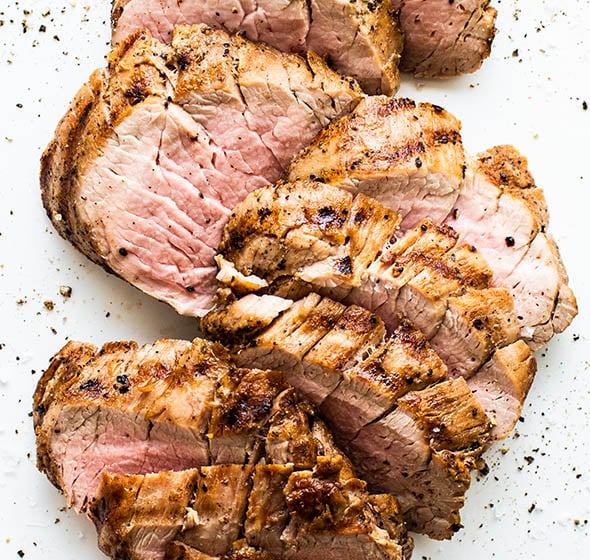
Grilled Pork Tenderloin: Your Affordable & Healthy Steak Rival
In the culinary world, steak often steals the spotlight as the ultimate grilled protein, celebrated for its rich flavor and satisfying texture. However, there's a formidable challenger that deserves far more attention: the humble, yet magnificent, grilled pork tenderloin. This often-underestimated cut of meat not only stands toe-to-toe with premium steaks in terms of taste and tenderness but also boasts significant advantages in affordability and health benefits. If you're looking for a delicious, lean, and budget-friendly alternative that's surprisingly easy to prepare, it's time to discover the magic of grilled pork tenderloin.
Imagine a meal that's both elegant enough for a dinner party and simple enough for a weeknight family feast. That's the versatility of pork tenderloin. It cooks quickly, absorbs flavors beautifully, and consistently delivers a juicy, tender result that will leave your taste buds singing. Forget the notion that pork needs to be swimming in a lengthy marinade to be flavorful; we'll unveil the secrets to achieving a perfectly seasoned, moist, and delicious grilled pork tenderloin without hours of advance planning.
Why Grilled Pork Tenderloin Reigns Supreme: The Ultimate Steak Alternative
When considering options for your next barbecue, it's easy to default to beef or chicken. But pork tenderloin offers a compelling package that makes it a true standout.
- Unbeatable Affordability: In today's economy, getting high-quality protein without breaking the bank is a major win. Pork tenderloin frequently goes on sale, often for a fraction of the cost of comparable steak cuts. Smart shoppers can stock up when they see BOGO deals or significant price drops, making it an incredibly economical choice for feeding families or meal prepping. This thrifty approach allows for culinary experimentation without financial strain.
- A Champion of Health: For those mindful of their diet, grilled pork tenderloin is an excellent choice. It's a remarkably lean cut of meat, often compared to skinless chicken breast in terms of fat content. High in protein, essential vitamins like B6 and B12, and minerals such as zinc and selenium, it provides substantial nutritional value without excess calories or saturated fat. It's a healthy foundation for any balanced meal.
- Flavor and Texture Rivaling Steak: Don't let its humble price tag fool you; when cooked correctly, pork tenderloin offers a melt-in-your-mouth tenderness and a mild, savory flavor that truly rivals a premium steak. Its fine grain and natural moisture content ensure a succulent bite every time, making it a sophisticated yet accessible protein option.
- Remarkable Ease of Preparation: One of the greatest virtues of pork tenderloin is how forgiving and straightforward it is to cook, especially on the grill. Unlike some cuts that demand precise temperatures or elaborate techniques, pork tenderloin is relatively hard to mess up. Its thin, cylindrical shape allows for quick, even cooking, making it ideal for busy weeknights when you want maximum flavor with minimal effort. You certainly don't need to be a master chef to achieve a perfectly cooked result.
Demystifying Pork Tenderloin: What It Is (and Isn't!)
Before you hit the grill, it's crucial to understand exactly what you're working with. Pork tenderloin, also known as pork tender or pork filet, is a specific cut of meat, and it's important not to confuse it with other similar-sounding cuts, particularly pork loin. While both are lean and delicious, they are vastly different in size, shape, and ideal cooking methods.
- Pork Tenderloin: This cut is typically small and thin, usually weighing between 1 to 1.5 pounds. Its slender shape lends itself perfectly to quick cooking over higher, medium heat. It's renowned for its tenderness and is very forgiving for home cooks.
- Pork Loin: In contrast, pork loin (also called pork loin roast or center-cut pork loin roast) is a much larger, thicker cut, often weighing 2 to 5 pounds. Due to its size, pork loin is best cooked slowly over lower heat, often roasted or braised, to ensure it cooks through without drying out.
Using these cuts interchangeably in recipes is a common mistake that can lead to disappointing results. Always double-check your recipe to ensure you have the correct cut. For a deeper dive into these distinctions and how to cook each perfectly, check out our guide on Pork Tenderloin vs. Loin: Grilling Secrets for Perfect Meat.
Crafting the Perfect Grilled Pork Tenderloin: Tips for Success
Achieving a juicy, flavorful grilled pork tenderloin is simpler than you might think. Here are the steps and insights to guide you:
Preparation Prowess: From Package to Grill
- Pat It Dry: This seemingly small step makes a huge difference. After removing the tenderloin from its packaging, use paper towels to thoroughly pat it dry. This removes any excess moisture from the surface, allowing seasonings to adhere better and promoting a beautiful sear on the grill.
- Trim the Silverskin: Pork tenderloin often has a thin, silvery membrane called silverskin running along one side. While edible, it can be tough and chewy once cooked. To remove it, slide a sharp knife just under one end of the silverskin, angling the blade slightly upward. Grip the loosened end firmly and carefully slide the knife along, separating the membrane from the meat.
The Flavor Factor: Rubs vs. Marinades
Whether you prefer a dry rub or a wet marinade, pork tenderloin is a chameleon, readily absorbing a wide range of flavors.
- The Power of a Rub: A well-balanced dry rub can create an incredible crust and infuse deep flavor without the need for pre-marinating. Many successful recipes, like the "famous rub" from popular culinary sites, combine pantry staples such as smoked paprika, garlic powder, onion powder, brown sugar (for caramelization), salt, black pepper, and a touch of cayenne for a subtle kick. Simply pat the tenderloin dry, generously coat it with your chosen rub, and it's ready for the grill.
- The Magic of a Marinade: For an extra layer of moisture and flavor, a quick marinade can work wonders. A 30-minute marinade, easily assembled from ingredients you likely already have, can transform your tenderloin. Think lemon juice (for tenderizing), minced garlic, olive oil, Dijon mustard, a touch of honey or maple syrup, and your favorite spices like dried oregano or thyme. A smart tip is to mix your marinade ingredients and pour only half over the pork, saving the other half. This untouched portion can then be used as a finishing sauce or glaze later, ensuring food safety. Place the tenderloin and half of the marinade in a resealable bag, squeeze out the air, and let it mingle for at least 30 minutes (or up to a few hours for deeper flavor).
Grilling Techniques for Juiciness
The grill is where the magic truly happens for grilled pork tenderloin:
- Preheat Properly: Get your grill to a medium-high heat. You want a good initial sear to lock in juices.
- Sear and Rotate: Place the tenderloin directly over the heat. Sear each side for 2-3 minutes until a nice crust forms.
- Indirect Heat Finish: Once seared on all sides, move the tenderloin to a cooler part of the grill (indirect heat) or lower the heat slightly, closing the lid. This allows the meat to cook through gently without burning the exterior.
- Monitor Temperature: The key to a juicy result is not to overcook. Use a meat thermometer to check the internal temperature. Pork tenderloin is safely cooked when it reaches 145°F (63°C). It will have a slight blush of pink in the center, which indicates perfect doneness. If you prefer no pink, aim for 150-155°F, but know it might be slightly less moist.
- The All-Important Rest: Once the desired temperature is reached, remove the tenderloin from the grill and let it rest on a cutting board, loosely tented with foil, for 5-10 minutes. This allows the juices to redistribute throughout the meat, ensuring every slice is incredibly moist and tender. Skipping this step is a common mistake that leads to dry meat.
To master these grilling techniques and ensure a consistently juicy outcome every time, be sure to read our comprehensive guide: Master Juicy Grilled Pork Tenderloin: No Chef Skills Needed.
Beyond the Grill: Versatile Serving Suggestions
Once your perfectly grilled pork tenderloin is rested and sliced into medallions, the serving possibilities are endless. Its mild flavor pairs wonderfully with a vast array of side dishes and sauces.
- Classic Pairings: Serve with roasted asparagus, creamy mashed potatoes, a fresh garden salad, or grilled corn on the cob.
- Flavor Boosters: Drizzle with the reserved marinade (if it hasn't touched raw meat), a vibrant chimichurri, a fruit salsa (like mango or peach), or a simple pan sauce made with pan drippings, broth, and herbs.
- Global Inspiration: Embrace international flavors by serving it with a cilantro-lime rice, a spicy black bean salad, or alongside some grilled pineapple for a sweet and savory contrast.
Leftover pork tenderloin is also fantastic! Slice it thin for sandwiches, chop it into salads, or stir-fry it with vegetables for a quick and healthy meal the next day.
Conclusion
The next time you're planning a meal, reconsider your protein choices. Grilled pork tenderloin offers an irresistible combination of affordability, health benefits, ease of preparation, and exquisite flavor that truly positions it as a worthy rival to steak. With just a few simple tips and techniques, you can transform this versatile cut into a show-stopping dish that delights the senses and satisfies the wallet. Embrace the tenderloin and elevate your grilling game – your taste buds and your budget will thank you!
