Pork Tenderloin vs. Loin: Unlocking Grilling Secrets for Perfect Meat
Ah, the humble pork cut. Often overlooked in favor of beef or chicken, pork, especially when grilled pork tenderloin, offers an incredible blend of flavor, versatility, and affordability. But when you walk into the butcher shop, faced with "pork tenderloin" and "pork loin," do you know which to choose for your grilling ambitions? While their names sound similar, these two cuts are as distinct as a sprint is from a marathon, each demanding a unique approach to achieve culinary perfection on the grill.
Understanding these differences is the first secret to grilling success, ensuring your pork emerges juicy, tender, and bursting with flavor every time. Forget the dry, tough pork of yesteryear; with the right techniques, both cuts can deliver a show-stopping meal that rivals even the finest steaks.
Understanding the Cuts: Pork Tenderloin vs. Pork Loin
The most crucial distinction lies in their physical characteristics and, consequently, their ideal cooking methods. Mistaking one for the other in a recipe is a common pitfall that can lead to disappointing results. Let's break down these lean, delicious cuts.
The Agile Pork Tenderloin: Quick & Forgiving
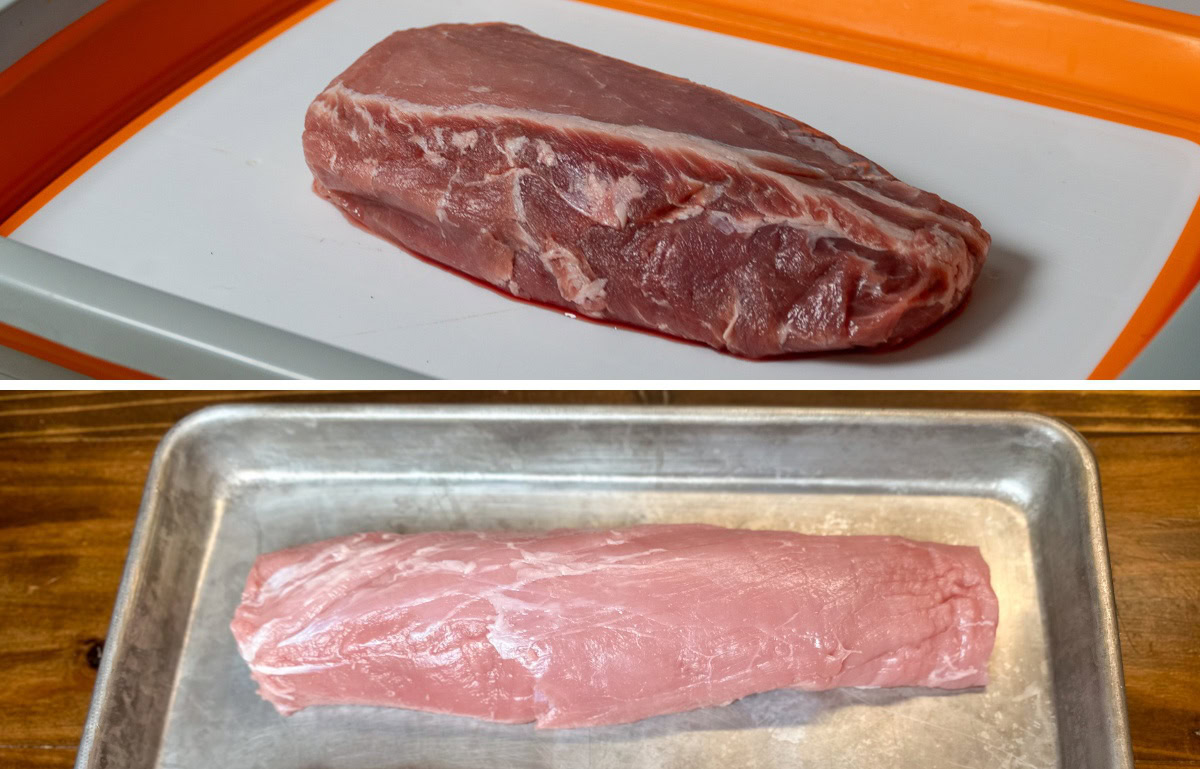
Also known as pork tender or pork filet, the pork tenderloin is a long, thin, cylindrical cut, typically weighing between 1 to 1.5 pounds. It's an exceptionally lean and incredibly tender muscle, making it one of the most prized cuts of pork. Its inherent tenderness means it doesn't require extensive marinating to achieve a succulent result, making it a fantastic choice for weeknight dinners.
- Shape & Size: Small, thin, and elongated, resembling a beef tenderloin.
- Texture: Very fine-grained and lean, making it exquisitely tender when cooked correctly.
- Cooking Method: Best cooked quickly over higher, direct heat. Its smaller size allows for rapid cooking, ensuring a juicy interior without over-drying. It's surprisingly forgiving, even for novice grillers, making it easy to master juicy grilled pork tenderloin without needing chef-level skills.
- Flavor Profile: Mild, allowing rubs and sauces to truly shine.
The Robust Pork Loin: Slow & Steady
In contrast, the pork loin is a much larger, thicker cut, often sold as a roast (pork loin roast or center-cut pork loin roast). It can weigh anywhere from 2 to 5 pounds, or even more if you purchase an entire bone-in loin. This cut is also lean but possesses a different muscle structure than the tenderloin, demanding a different approach to grilling.
- Shape & Size: Wide, thick, and typically sold as a roast. Can be bone-in or boneless.
- Texture: Lean but denser than tenderloin, requiring more careful cooking to maintain moisture.
- Cooking Method: Best cooked slowly over lower, indirect heat. Its thickness means it needs more time for the heat to penetrate evenly without scorching the exterior.
- Flavor Profile: A bit richer than tenderloin, capable of standing up to more robust seasonings.
Mastering the Grilled Pork Tenderloin: Techniques for Juiciness
The magic of grilled pork tenderloin lies in its simplicity and speed. You don't need to be a barbecue pitmaster to achieve incredibly tender, flavorful results. Here's how to do it right:
Prep Secrets for a Perfect Finish
Before hitting the grill, a little preparation goes a long way:
- Pat It Dry: This step is non-negotiable. Use paper towels to thoroughly pat the tenderloin dry. This removes any surface moisture, allowing rubs to adhere better and promoting a fantastic sear on the grill.
- Trim the Silver Skin: Pork tenderloins often have a thin, silvery membrane on one side. This "silver skin" doesn't render during cooking and can become tough. Use a sharp knife to carefully slide underneath it and remove it.
- Season Generously: While not strictly requiring a marinade, a good rub is essential for a flavorful grilled pork tenderloin. A simple mix of salt, pepper, garlic powder, onion powder, paprika, and a touch of brown sugar works wonders. For an extra flavor boost and insurance against drying, a quick 30-minute marinade with pantry staples like lemon juice, olive oil, minced garlic, mustard, and honey can add incredible depth.
Grilling for Juiciness (No Marinade Required!)
The key to tenderloin is high heat and quick cooking:
- Preheat the Grill: Get your grill to a medium-high heat (around 400-450°F). For charcoal, establish a two-zone fire with one side direct high heat and the other indirect.
- Sear & Rotate: Place the seasoned tenderloin directly over the hottest part of the grill. Sear for 2-3 minutes per side, rotating to get a beautiful crust all around. You're aiming for a lovely char and caramelization.
- Finish Indirectly (Optional, but Recommended): Once seared, move the tenderloin to the cooler, indirect side of the grill (if using charcoal) or lower the heat to medium-low on a gas grill. Close the lid and continue cooking, turning occasionally, until the internal temperature reaches 140-145°F. This usually takes another 8-15 minutes, depending on the thickness.
- Rest, Rest, Rest: This is perhaps the most critical step for any grilled meat. Once the tenderloin reaches 140-145°F, remove it from the grill and let it rest on a cutting board, loosely tented with foil, for 5-10 minutes. This allows the juices to redistribute throughout the meat, resulting in an incredibly moist and flavorful final product. The temperature will also rise a few degrees during resting.
- Slice & Serve: Slice against the grain into medallions and serve immediately.
Grilling the Pork Loin: A Different Approach for Roast Perfection
Grilling a pork loin roast requires patience and a gentle hand. Because of its size and thickness, it needs to be cooked slowly over lower, indirect heat to ensure even cooking without drying out.
- Preparation: Like tenderloin, pat the pork loin dry. You might want to score the fat cap (if present) to help it render and create a crispier crust. Season generously with a robust rub or marinade for several hours, or even overnight, to infuse flavor deep into the meat.
- Set Up for Indirect Heat: For gas grills, light burners on one side to achieve a medium-low indirect temperature (around 300-325°F). For charcoal, bank coals to one side for indirect cooking.
- Optional Sear: For a beautiful crust, you can briefly sear the loin on all sides over direct high heat for 2-3 minutes per side before moving it to indirect heat.
- Slow Cook: Place the loin over the indirect heat, close the lid, and cook, turning every 20-30 minutes, until the internal temperature reaches 140-145°F. This can take anywhere from 1.5 to 2.5 hours, depending on the size of the roast. A drip pan underneath can help catch juices and prevent flare-ups.
- Resting is Key: Just like tenderloin, resting the pork loin for 10-15 minutes after removing it from the grill is crucial for juiciness.
- Slice & Serve: Slice against the grain and enjoy.
Beyond the Basics: Flavor Enhancements & Savvy Shopping
Elevating your grilled pork doesn't stop at technique. Thoughtful seasoning and smart shopping can take your meals to the next level.
Crafting Irresistible Rubs and Marinades
Experimentation is key! For pork tenderloin, consider:
- Herby & Bright: Rosemary, thyme, lemon zest, garlic, olive oil.
- Sweet & Savory: Brown sugar, smoked paprika, chili powder, cumin, garlic, onion powder.
- Asian Inspired: Soy sauce, ginger, garlic, sesame oil, a touch of honey or brown sugar. (If using raw marinade for flavor, ensure you reserve half *before* it touches raw meat, to use as a finishing sauce or glaze post-grilling, or cook it thoroughly with the meat.)
For pork loin, bolder flavors can stand up better:
- Smoky BBQ: Paprika, cayenne, dry mustard, garlic, brown sugar, a hint of liquid smoke.
- Mediterranean: Oregano, marjoram, garlic, olive oil, red wine vinegar.
Savvy Shopping for Quality Pork
Keep an eye out for sales! Pork is often on promotion, rivaling chicken in affordability. Buying in bulk when prices drop allows you to stock up and experiment with different grilling techniques and flavor profiles. Look for cuts that are uniformly pink with minimal marbling for tenderloin, and a healthy fat cap for loin, which adds flavor and moisture during longer cooks.
Conclusion
While pork tenderloin and pork loin share a similar name and both offer lean, delicious meat, they are fundamentally different cuts requiring distinct grilling strategies. The grilled pork tenderloin excels with high heat and quick cooking, yielding a tender, forgiving result perfect for any night. The pork loin, on the other hand, thrives under low, slow, indirect heat, transforming into a succulent, impressive roast. By understanding these nuances, mastering simple prep, and committing to proper grilling temperatures and resting times, you can unlock the full potential of both cuts, serving up perfectly grilled pork that will impress every time.
